Pallet Liquidation: Turning Excess Merchandise Into Earnings
Pallet liquidation offers a practical solution for retailers struggling with overstock merchandise. By transforming returned or unsold merchandise into bulk sales, this process not only resolves warehousing challenges but also opens new revenue streams. Small business owners regularly explore these avenues to secure valuable goods at discounted rates. However, the intricacies of acquiring and reselling such pallets reveal challenges that require careful consideration. What elements should one assess before participating in this growing industry?
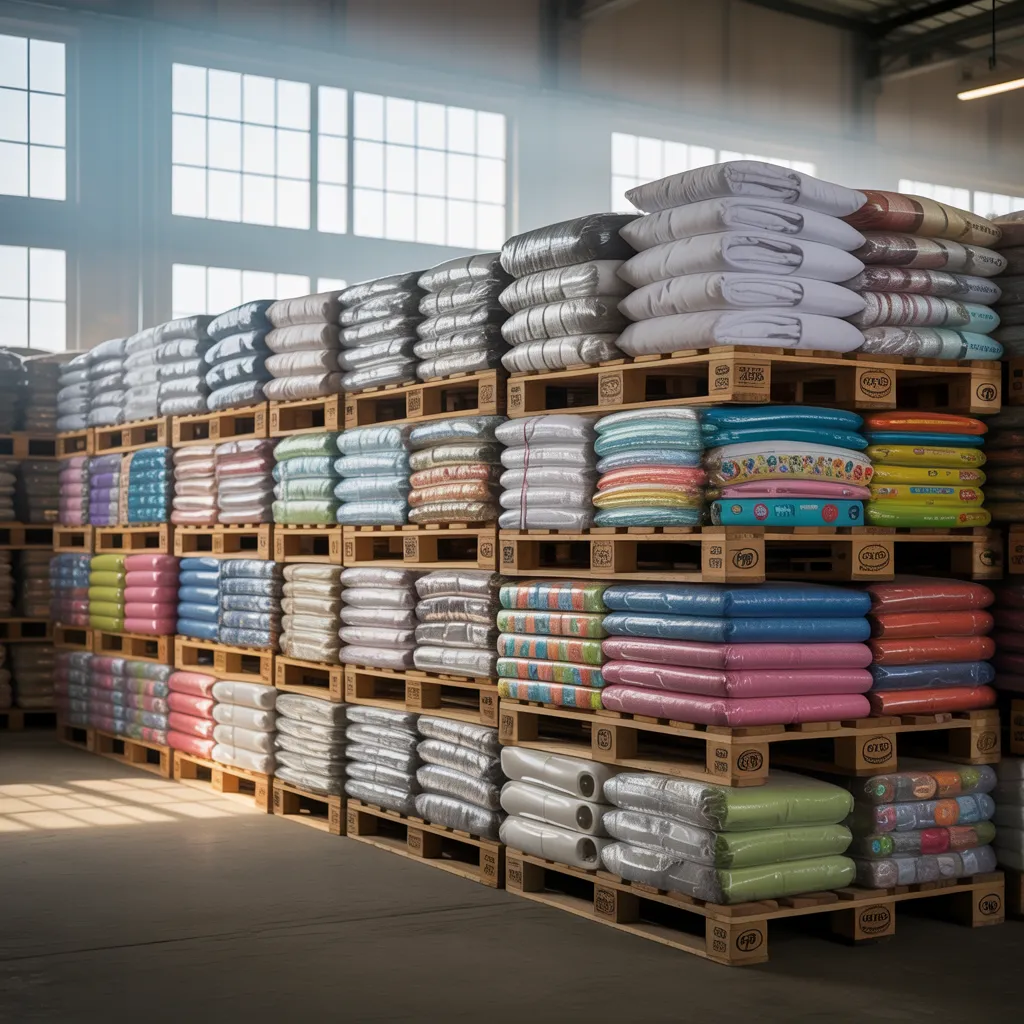
What Is Pallet Liquidation and How Does It Operate?
Pallet liquidation involves the practice of selling significant volumes of surplus, returned, or unsold goods, typically organized on pallets for easy transport. This method allows wholesalers and retailers to regain some financial return from stock that would otherwise be wasted. Businesses frequently obtain these pallets from various sources, including manufacturers and retailers, who need to move their overstock merchandise.
After acquisition, the pallets are either sold directly to consumers or through online auctions. Buyers, often small business owners or resellers, purchase these pallets with the expectation of reselling individual items at a profit. The items within each pallet differ considerably, covering an extensive selection from electronic devices to home essentials. Pallet liquidation is attractive due to the possibility of significant cost savings and the chance to uncover high-value items among a varied assortment. In summary, this approach offers an effective method for handling excess stock.
Well-Known Merchandise Categories found in the Pallet Liquidation Market
Liquidation pallets often contain a wide variety of product categories, drawing in numerous buyers seeking great deals. Commonly featured items include electronics, home goods, apparel, and beauty products. Electronic items, including smartphones and laptops, are notably popular, as they typically hold significant resale value. Household items, such as kitchen appliances and furniture, draw interest from diverse shoppers looking for budget-friendly home improvement solutions. Apparel selections can extend from seasonal outfits to activewear, attracting attention from thrift shop operators and resellers. Additionally, beauty products, including skincare and cosmetics, draw in both everyday buyers and commercial retailers looking to profit from name-brand products. Seasonal merchandise frequently appears in liquidation offerings, enabling shoppers to prepare their inventory before the holiday season. This variety of categories guarantees that liquidation pallets can meet the diverse needs of buyers, generating profit potential across various market segments.
The Benefits of Pallet Liquidation for Retailers
A large number of retailers significantly benefit from purchasing liquidation pallets, as they present a practical method to supply their shelves with a diverse range of products at discounted rates. This strategy not only enhances inventory variety but also allows retailers to cater to varied customer needs without considerable financial burden. The economic advantage of liquidation pallets enables retailers to maintain competitively low prices, thereby boosting sales and customer loyalty.
In addition, buying wholesale liquidation pallets can lead to greater profitability, as most goods are sourced at a fraction of their original retail cost. Businesses can also take advantage of market trends by promptly securing popular or seasonal items, thus responding to market demands. As an added benefit, the lead time for sourcing and reselling these merchandise is frequently more efficient than traditional sourcing methods, allowing businesses to promptly react to evolving consumer trends. Overall, liquidation pallet sourcing functions as a valuable tool for businesses seeking to optimize their operations and profitability.
How to Source Quality Pallets
Sourcing high-quality pallets requires detailed research and thoughtful strategy. Potential buyers should begin by identifying well-established liquidation firms and wholesale suppliers recognized for their dependability. Online marketplaces and local auctions can prove to be worthwhile channels, presenting a range of pallets at diverse price levels.
A further important consideration includes evaluating the condition of the pallets. Buyers should inspect for signs of damage, ensuring that the goods is intact and sellable. Building relationships with suppliers can lead to better deals and access to exclusive inventory, strengthening procurement possibilities.
Remaining updated on current market trends and in-demand items can assist purchasers in identifying pallets that will produce considerable earnings after reselling. Connecting with fellow resellers can deliver useful tips and advice, additionally supporting the procurement process. By merging these methods, buyers can successfully obtain high-quality pallets that support profitable liquidation endeavors.
Essential Strategies for Reselling Liquidated Pallets
Profiting from liquidated pallets requires thoughtful strategy and market awareness to increase earnings. Top-performing resellers start by conducting thorough research on current market trends and buyer needs. Identifying popular product categories, like electronics, home essentials, or seasonal goods, allows for targeted purchasing.
Subsequently, sellers need to evaluate the quality of products in the pallet loads. A comprehensive inventory assists in establishing the potential resale value and supports the development of competitive pricing. Utilizing online marketplaces and social media channels for promotion enhances exposure, connecting with more potential buyers.
Connecting with fellow resellers can prove advantageous, fostering collaborations that lead to shared insights and resources. Moreover, resellers are advised to think about presenting combined offers or special pricing to appeal to purchasers and enhance circulation rates. Through the application of these approaches, resellers can effectively transform liquidated goods into lucrative opportunities, ensuring a successful business model in the ever-evolving marketplace.
Grasping the Legal and Ethical Considerations of Pallet Liquidation
In the realm of pallet liquidation, comprehending legal compliance obligations is vital for resellers to steer clear of potential liabilities. Furthermore, ethical sourcing practices play a significant role in maintaining integrity within the industry. These elements not only shape business operations but also affect consumer confidence and brand standing.
Legal Compliance Requirements
Legal adherence in pallet liquidation plays a critical role in ensuring ethical conduct and sustaining business integrity. Companies engaging in this sector must adhere to various regulations, including consumer protection laws, environmental standards, and tax obligations. Following these laws aids in minimizing risks connected to the distribution of potentially harmful or fraudulent merchandise. Furthermore, companies must stay informed about local and federal rules overseeing the resale of liquidated goods, maintaining accurate documentation and reporting. Non-compliance may lead to serious legal consequences, such as monetary penalties or revocation of business licenses. By placing legal compliance at the forefront, pallet liquidation businesses can cultivate credibility with consumers and suppliers, ultimately boosting their reputation and long-term sustainability within the marketplace.
Ethical Procurement Practices
Navigating the intricacies of pallet liquidation requires a dedication to ethical sourcing practices alongside legal compliance. Companies operating in this sector must champion transparency and integrity, guaranteeing that the products they manage are procured with care. This encompasses confirming the source of goods, assessing the treatment of workers involved in production, and avoiding products associated with environmental harm or exploitative labor practices. By adopting ethical sourcing standards, businesses not only reduce legal risks but also enhance their reputation and customer trust. Furthermore, ethical practices can result in a more viable operation, appealing to socially conscious consumers. Overall, the integration of ethical considerations into pallet liquidation is essential for fostering a sustainable and successful business model.
Emerging Trends in the Pallet Liquidation Market
As the pallet liquidation sector continues to develop, various new trends are defining its future outlook. Digital platforms are growing more widespread, enabling sellers and buyers to engage more effectively. These platforms commonly leverage cutting-edge algorithms to pair inventory with demand, enhancing the speed of transactions. Furthermore, sustainability is becoming more prominent, with organizations emphasizing green practices throughout the liquidation process. This change encourages a circular economy, where items are reused and reimagined, limiting waste.
Moreover, transparency in pricing and product quality is expected to increase, as buyers seek more details prior to making purchases. The growth of niche markets, specifically in specialized commodities, is equally significant; companies are evolving to meet targeted consumer demands. Ultimately, leveraging data analytics is expected to streamline inventory management, enabling retailers to make well-informed decisions. Collectively, these trends indicate a dynamic future for the pallet liquidation market, propelled by innovation and an emphasis on sustainable practices.
Questions We Frequently Receive
What Kinds of Businesses Benefit the Most From Pallet Liquidation?
Discount stores, retailers, and e-commerce enterprises gain the greatest advantage from pallet liquidation. Such companies consistently pursue affordable inventory strategies to optimize their profitability. Independent retailers are able to obtain a wide variety of products at lower costs, improving their selections without major financial commitment. Furthermore, e-commerce vendors utilize liquidation pallets to find distinctive products for resale, establishing competitive edges. Ultimately, enterprises dedicated to affordable inventory strategies and broad product diversity discover that pallet liquidation provides a significant boost to their growth and financial success.
How Do I Determine the Value of Liquidated Pallets?
To assess the value of liquidated pallets, you should assess the retail value of the products included, taking into account their overall condition and consumer demand. Investigating similar products across online platforms can provide insights into resale opportunities. Moreover, evaluating the acquisition expense and all related freight and handling costs is important. Lastly, evaluating regional market conditions and buyer demand can help establish a competitive pricing strategy for resale.
Can Individuals Participate in Pallet Liquidation?
Indeed, private buyers can take part in pallet liquidation. Many liquidation firms and auctions permit anyone to place bids on or purchase pallets directly. By investigating local suppliers or online platforms, buyers can find various goods at discounted rates. It is essential for individuals to recognize the risks involved, such as possible concealed defects or unsold items, and to evaluate their ability to sell on or use the items successfully. Being well-informed and prepared are fundamental to a successful experience.
What Are Common Mistakes to Avoid in Pallet Liquidation?
Typical pitfalls to avoid in pallet liquidation consist of underestimating overhead, such as shipping and storage, resulting in diminished returns. Purchasers frequently overlook researching the value and condition of goods, resulting in poor purchasing decisions. Furthermore, failing to monitor inventory and sales can impede progress. A lack of awareness regarding market demand may cause excess inventory to go unsold. In the end, making hasty purchases without a defined plan can result in monetary setbacks, emphasizing the importance of careful planning.
In What Ways Do Shipping Costs Influence Pallet Liquidation Profitability?
Shipping costs greatly impact pallet liquidation profitability by having a direct impact on the total cost structure. Elevated shipping costs can diminish profit margins, making it essential for vendors to factor these costs get going into their pricing strategies. Moreover, unstable freight costs may affect stock movement, thereby influencing sales velocity. Strategic logistics management and securing competitive transportation rates can enhance profitability, allowing sellers to maximize returns on liquidated goods while lowering overall expenditures.
Comments on “Pallet Liquidation by Trusted Wholesalers”